
What does it mean to make “cross-curricular” connections? What does “integration” and “interdisciplinary” mean in elementary school? At SA, interdisciplinary learning looks and sounds like many different things. This November in particular there is a real “buzz” in the air thanks to these big words. Through the ARC literacy program, 2nd graders have spent their time reading, researching, and writing about insects and arachnids. This literacy work has proven to be an excellent segway into lessons in many areas that have improved student understanding of the systems that bugs support and the interdependence we share with our tiny neighbors. This has allowed for strong connections in so many different areas at SA: Music class, library, art class, STEM activities, and EFS (education for sustainability).
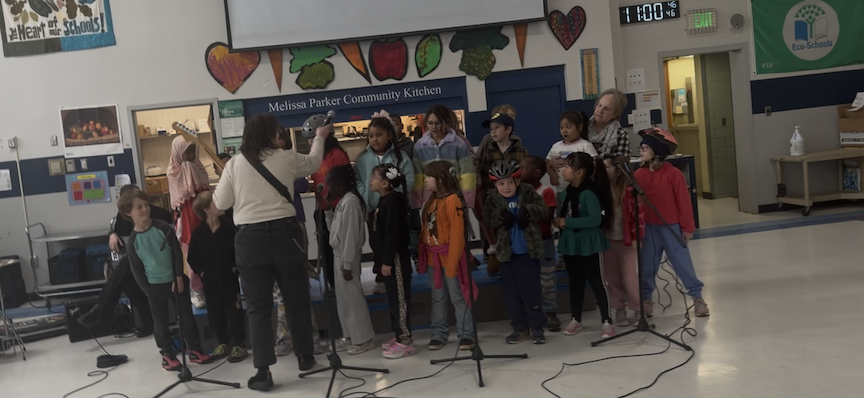
In music class (and throughout the halls!) you can hear the melody and chants from “The Bug Song” written and composed by the 2nd grade students and Teacher Abbie. The song writing itself has helped students use and learn about similes, understanding onomatopoeias, reinforce letter sounds, counting syllables and rhyming. All while students are dropping facts about mosquitoes, bees and wooly bear caterpillars. Do you know how many feet a wooly bear has? Ask a 2nd grader.
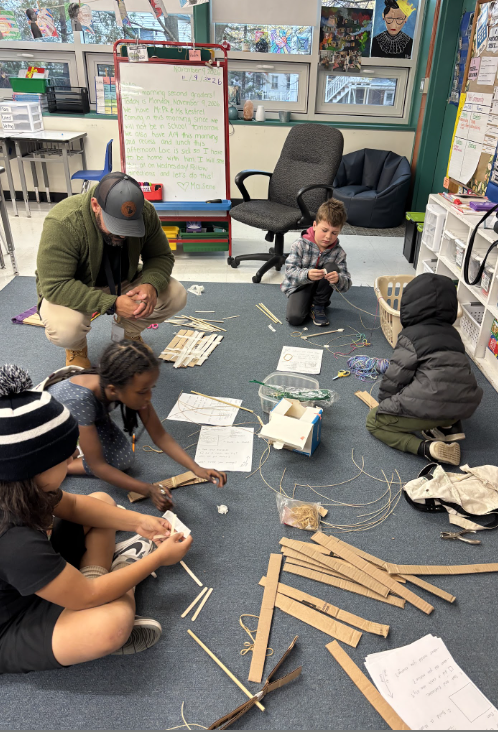
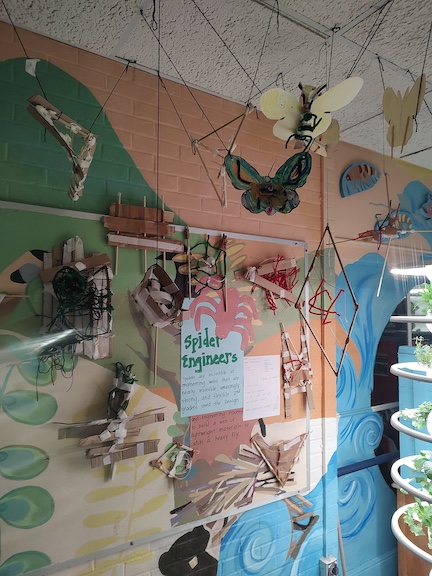
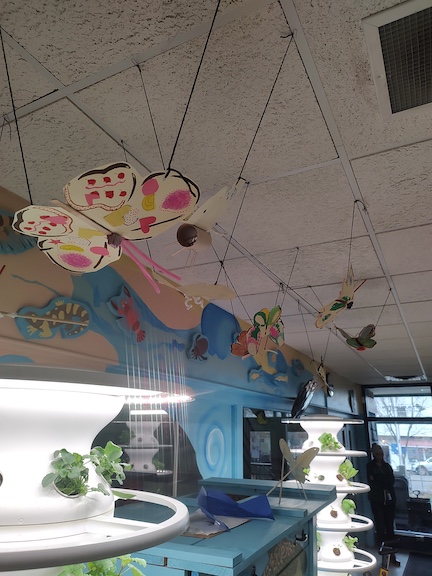
In art class with Mr. PK, students are learning how to identify symmetry in bugs and why it is such an important adaptation for survival for many of our insect friends. Students are also learning how to construct large 3D models based on 2D designs. 3D modeling is a key skill artists and scientists use to learn about the anatomy and structure of the microscopic world. Additionally, during EFS and project-based learning block students used the design engineering process to learn about monarch migration and the incredible tensile strength of spider silk. Did you know that it has a greater tensile strength than most steel?
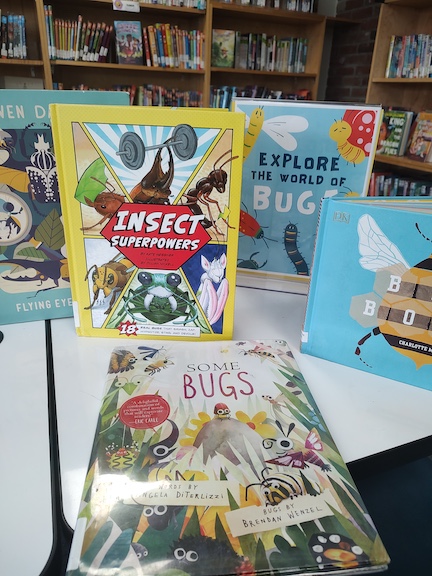
In library, students choose from thematic insect books to deepen their learning while reading in class and at home. During library time students used insect books to compare the difference between fiction and nonfiction insect texts and modeled the use of PebbleGo online encyclopedia by reviewing insect entries.
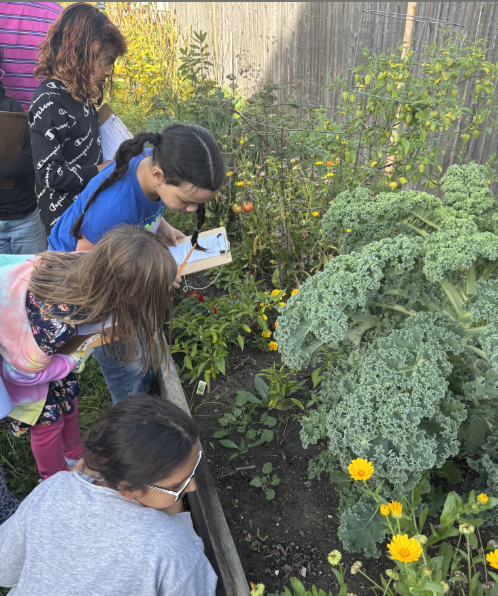
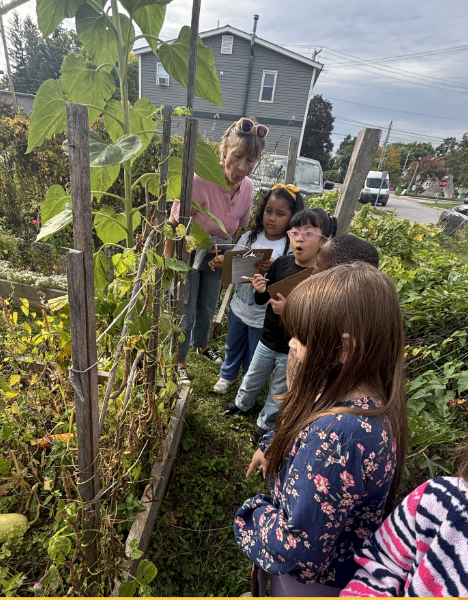
By working with Ms. Kestrel, Ms. Seno, and Ms. Brown, the UA team has created a model of learning that allows each student to engage with content in so many ways. Every student has deepened their understanding about the amazing world of bugs by directly observing them on walking field trips and studying them through so many modes of learning. When students see how concepts overlap across different classes, they build stronger mental connections and remember information longer. By working on projects related to class content it mirrors how people solve problems in their community. It also helps them look at complex subjects from multiple perspectives. This is what interdisciplinary learning is all about and what SA teachers look to create for all students during the school year.

Leave a Reply