
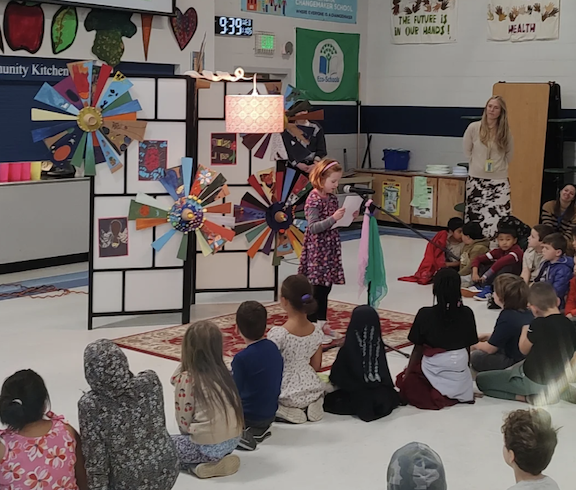
Join us on November 13th at 8:10am for the November community meeting. There is a real “buzz” in the air around this meeting as we will be highlighting this months Hive Heros, and sharing the great bug themed work by the 2nd grade students. There may be an appearance by a famous local rock band and a debut of the next viral music hit! Be sure you don’t miss it!
An Interdisciplinary Look at Bugs
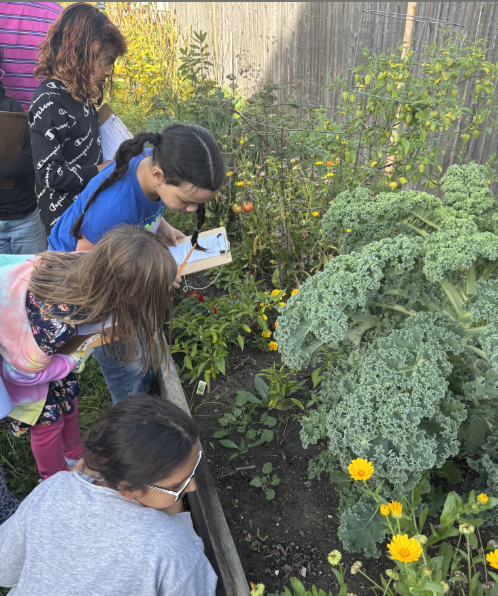
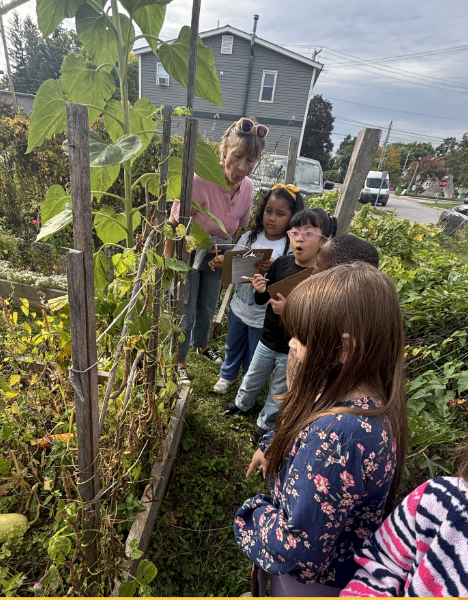
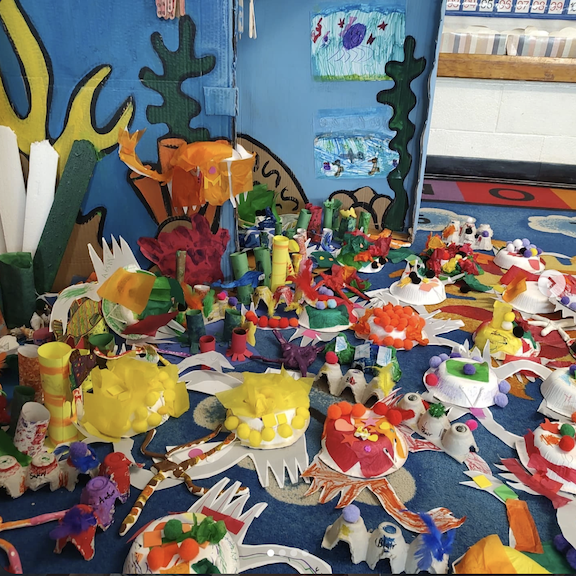
What does it mean to make “cross-curricular” connections? What does “integration” and “interdisciplinary” mean in elementary school? At SA, interdisciplinary learning looks and sounds like many different things. This November in particular there is a real “buzz” in the air thanks to these big words. Through the ARC literacy program, 2nd graders have spent their time reading, researching, and writing about insects and arachnids. This literacy work has proven to be an excellent segway into lessons in many areas that have improved student understanding of the systems that bugs support and the interdependence we share with our tiny neighbors. This has allowed for strong connections in so many different areas at SA: Music class, library, art class, STEM activities, and EFS (education for sustainability).
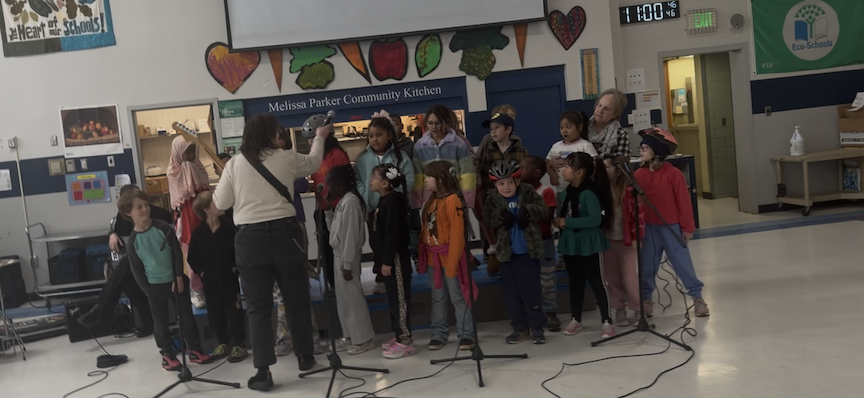
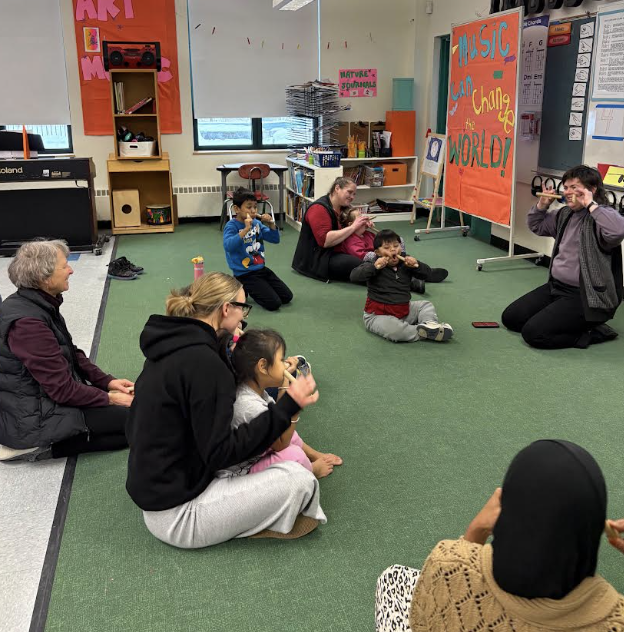
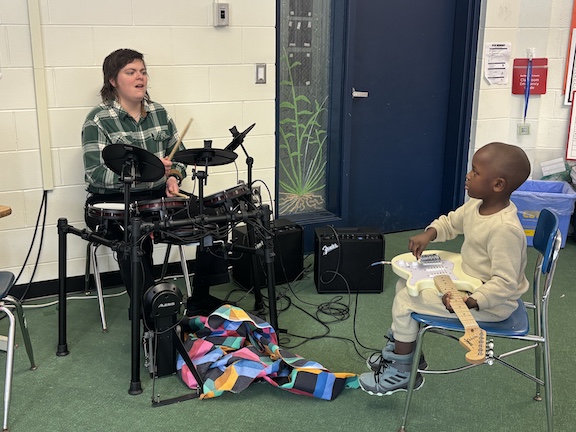
In music class (and throughout the halls!) you can hear the melody and chants from “The Bug Song” written and composed by the 2nd grade students and Teacher Abbie. The song writing itself has helped students use and learn about similes, understanding onomatopoeias, reinforce letter sounds, counting syllables and rhyming. All while students are dropping facts about mosquitoes, bees and wooly bear caterpillars. Do you know how many feet a wooly bear has? Ask a 2nd grader.
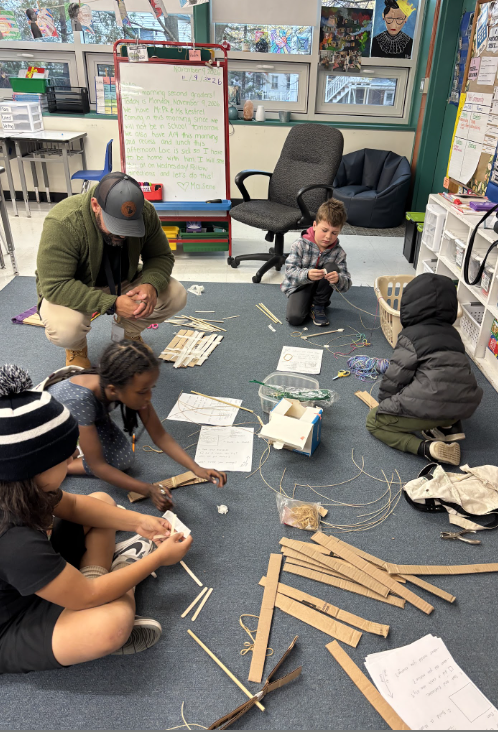
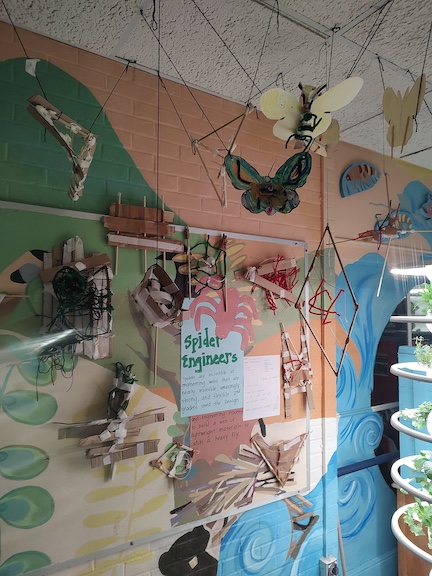
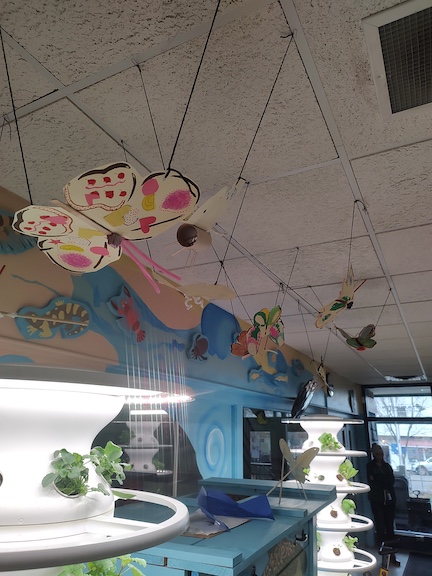
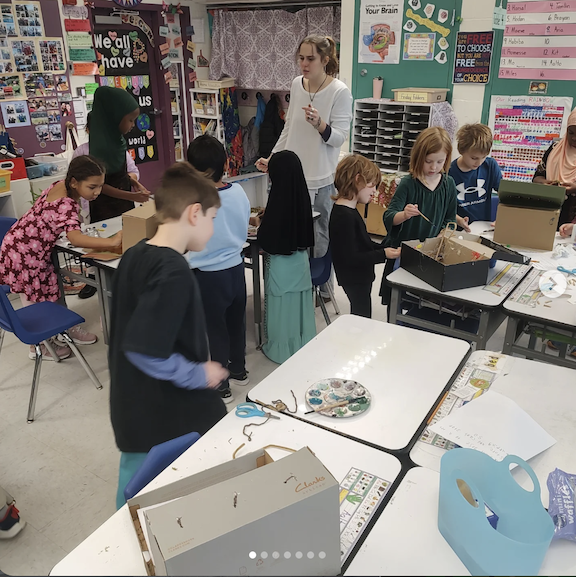
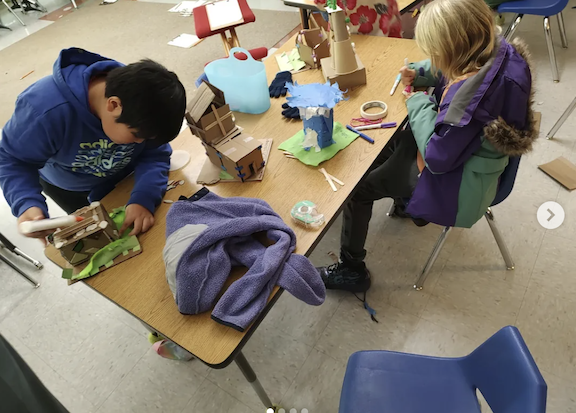
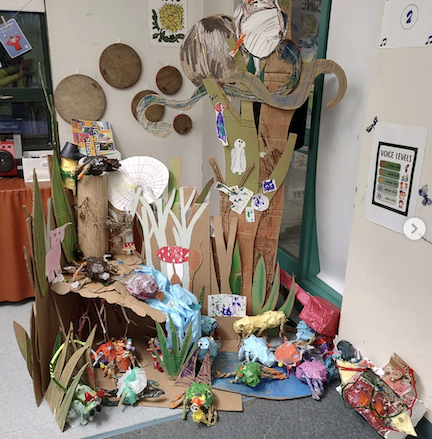
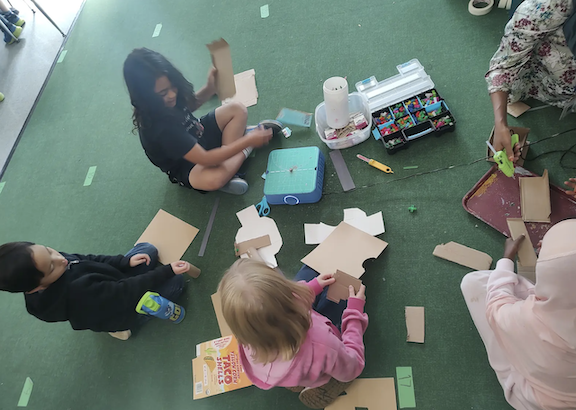
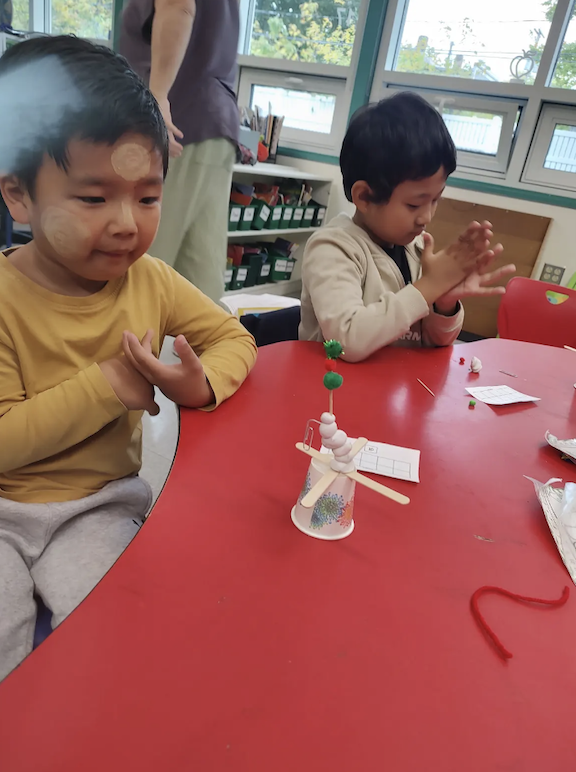
In art class with Mr. PK, students are learning how to identify symmetry in bugs and why it is such an important adaptation for survival for many of our insect friends. Students are also learning how to construct large 3D models based on 2D designs. 3D modeling is a key skill artists and scientists use to learn about the anatomy and structure of the microscopic world. Additionally, during EFS and project-based learning block students used the design engineering process to learn about monarch migration and the incredible tensile strength of spider silk. Did you know that it has a greater tensile strength than most steel?
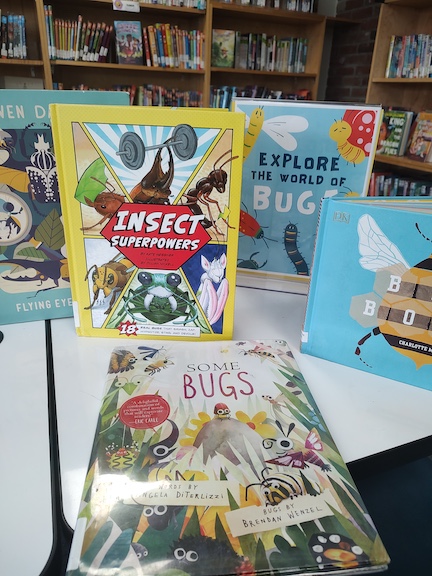
In library, students choose from thematic insect books to deepen their learning while reading in class and at home. During library time students used insect books to compare the difference between fiction and nonfiction insect texts and modeled the use of PebbleGo online encyclopedia by reviewing insect entries.
By working with Ms. Kestrel, Ms. Seno, and Ms. Brown, the UA team has created a model of learning that allows each student to engage with content in so many ways. Every student has deepened their understanding about the amazing world of bugs by directly observing them on walking field trips and studying them through so many modes of learning. When students see how concepts overlap across different classes, they build stronger mental connections and remember information longer. By working on projects related to class content it mirrors how people solve problems in their community. It also helps them look at complex subjects from multiple perspectives. This is what interdisciplinary learning is all about and what SA teachers look to create for all students during the school year.
A Focus on Projects at SA
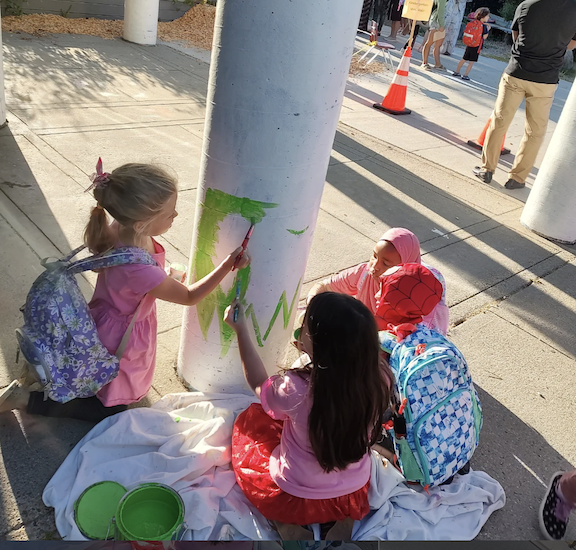
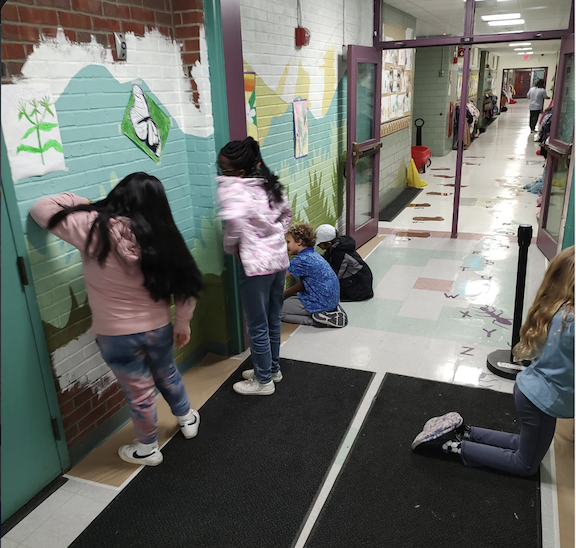
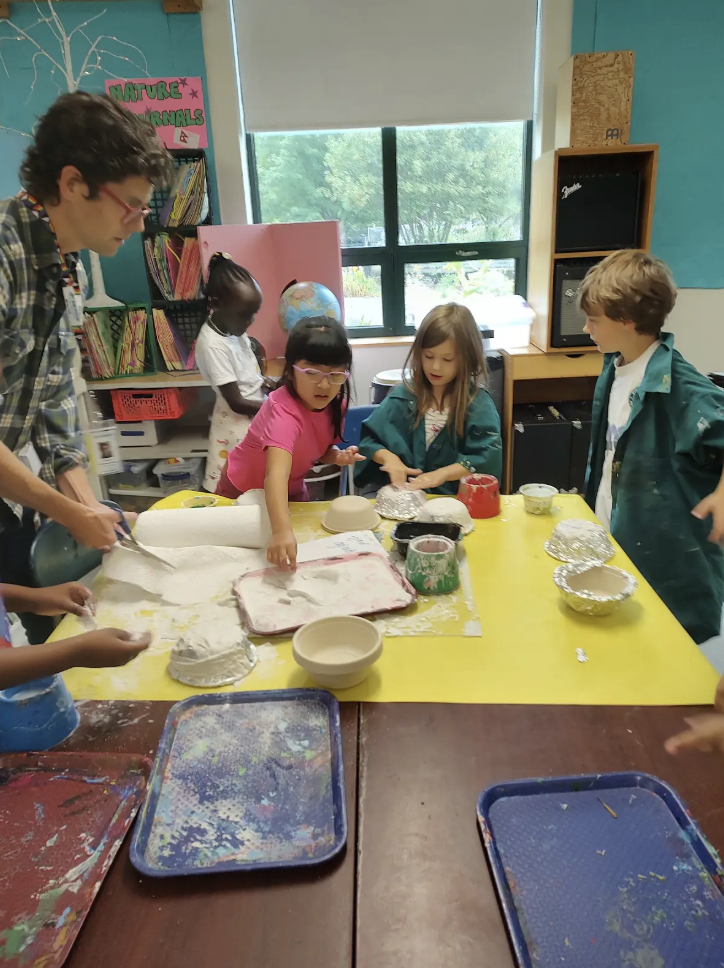
In the past couple years, you may have seen a few changes to the look and feel of hallways and open spaces at SA – a sculpture installation here, a community quilt there, new cafeteria art or a mural on the walls. This is not an accident but a calculated focus by teachers and administrators to double efforts on collaborative artwork, multi-age/class teamwork, and integrated project-based learning that connects classroom curriculum with the EFS mission at SA. But what are “integrated projects” and “project-based lessons”? Why do we do them and who makes it happen? Parents had a chance to join the November PTO meeting to learn about the art and PBL (project based learning) effort from one of the faces at SA who leads this effort, David Paarlberg-Kvam (known around SA as Mr. PK)
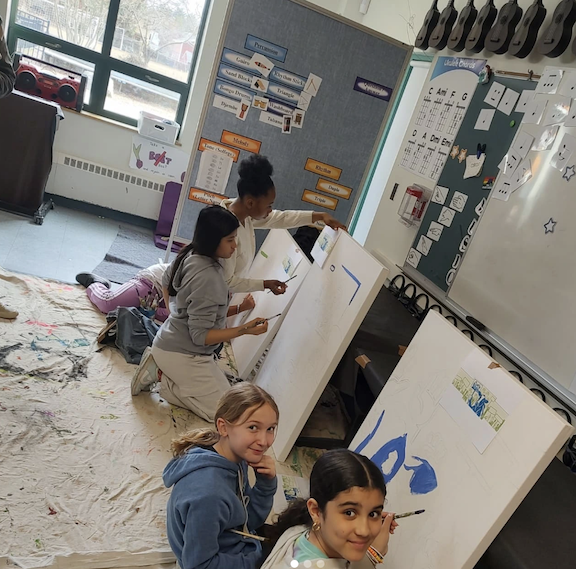
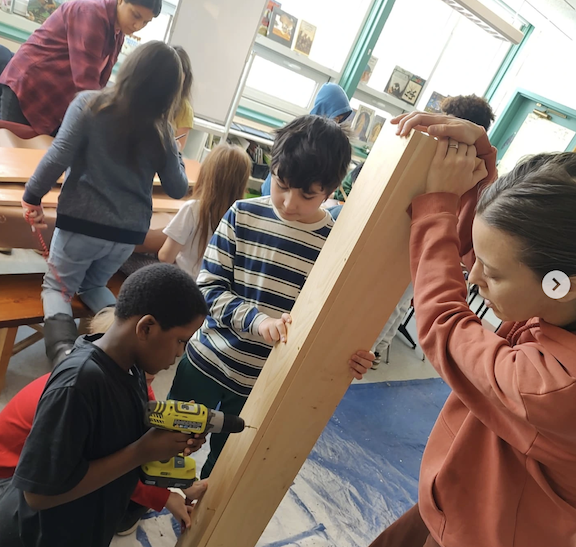
Mr. PK joined the SA team in 2023 to fill the 0.6 art teacher position at SA. He brought over a decade of experience teaching art and working with Southern Vermont teacher teams to bring classroom learning to life with big, tangible, and often large-scale spectacles. It was clear within that first year at SA that there was space and interest in growing that effort at this school. Since 2024, SA has used a portion of its discretionary RISE funding to keep Mr. PK full-time and build space in the schedule to have him serve as a project-based-learning resident for grade level teams. His role as Project Based Learning Coordinator is both a unique one in the district and one that has become valued across the grade levels. During his residencies, teachers are invited to dream big and plan experiential learning that both reinforces concepts from the classroom and engages students with different ways of problem solving, collaborating, making connections, and sharing their learning. By working closely with EFS (Education for Sustainability) Coach Kestrel Plump, and academic coach Matt Limtiaco, teacher teams and Mr. PK are able to create lessons and projects that are highly rigorous, grounded in the Big Ideas of Sustainability, and help all students thrive.
While some of the marquee productions – like the Trout Parade or hallway installations – may be the most forefront examples of arts integration, it is actually some of the less public projects and problems that get Mr. PK most excited.
“When teachers want to plan 3D and 2D mapping projects connected to place-based exploration, or build a storefront with parent volunteers to help kids understand money and math, or build cardboard installations of ecosystems, or create a student play about local aquatic plants…these are the things that get me excited about my work and the list goes on and on!”. The kids and teachers here are endlessly creative and I love making these ideas come to life.” Says Mr. PK
But it is so much more than building fun activities. Kestrel Plump shared why she is so excited to have this focus at SA.
“Project based learning presents students with problems that need to be solved. Because our students are all different, the ways they approach and solve the challenge is always different. The variety is what makes project based learning so exciting– both for students and teachers. Students need to engage their scientific, engineering, and critical thinking skills to try out a solution and assess it for its success. One of the best ways we can serve our students is to engage them with the Engineering Design Process. Students also feel that the work they are doing is real, and has meaning beyond a simple activity. ”
Strong PBL programs across the nation are linked to significant increases in literacy rates, test scores, student engagement data and even the ability to persist through difficult tasks. It even shows a strong correlation to improving chronic absenteeism. And it is the perfect vehicle to practice SEL (Social/Emotional Learning) skills. Kestrel continues,
“By its very nature, project based learning is crosscurricular and requires a wide range of skills to be successful. It focuses on student voice because inevitably they come up with solutions and designs teachers would never dream up. I know it is the most authentic way to prepare students for the projects and challenges they will face throughout their life.”
SA student PBL projects can be on view on the SA art webpage, on the Sustainability Academy instagram @sustainabilityacademybsd, and on Mr. PK’s @dpkartwork instagram dedicated to sharing the work of the students and communities he has worked with.
AAC and a Focus on Adaptive Learning at SA
October is Augmented Alternative Communication Month and SA students and teachers are celebrating the diversity of ways that students communicate. The Special Ed team, including Kerry Connor and Kiersten Houser, have been working hard to share tools and resources that help students communicate with the whole school. These tools are designed for learners who are still working to build verbal language skills or are learning a new language. Even though these new technologies are brought in for specific students, they can be useful for anyone, Kerry explains.
The Core Board on the SA playground reflects the symbols and images on the electronic tools and they allow peers to communicate with each other across language divides. The presentations that Kerry and Kiersten bring to each classroom help students understand that “the devices aren’t just ipads a few kids carry around, they are the pictographs that help students communicate their needs and feelings.”
New technologies that help students communicate are always on the horizon and AAC Month gives teachers and students a chance to see all the different ways they can communicate. In the class presentations everyone plays games, shares cues, and communicate using these tools. “It is a great way to build relationships, connections, and empathy”, Kiersten says.
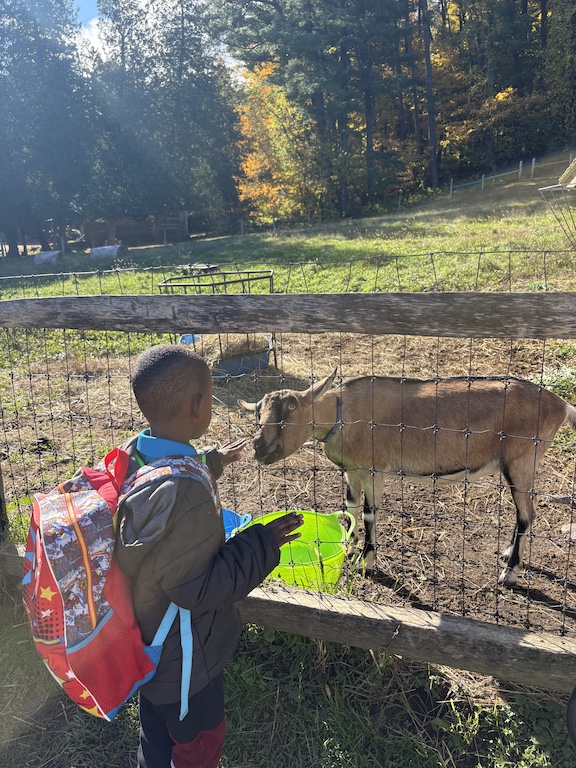
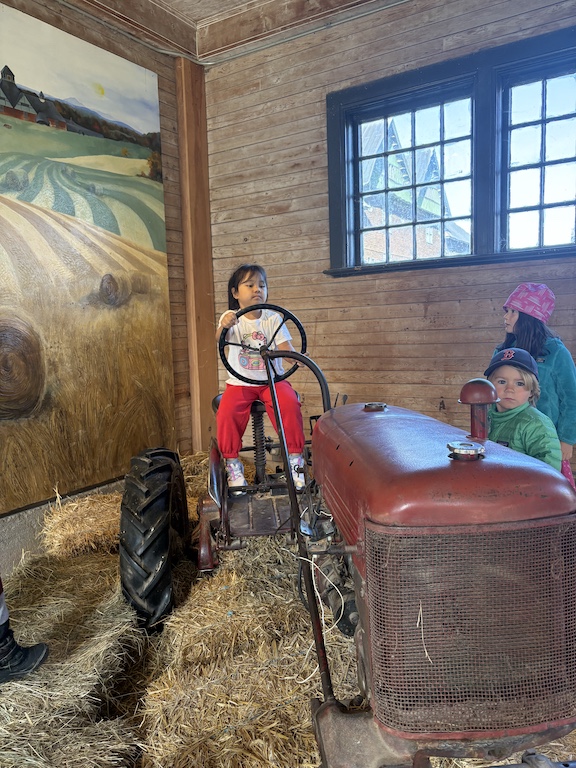
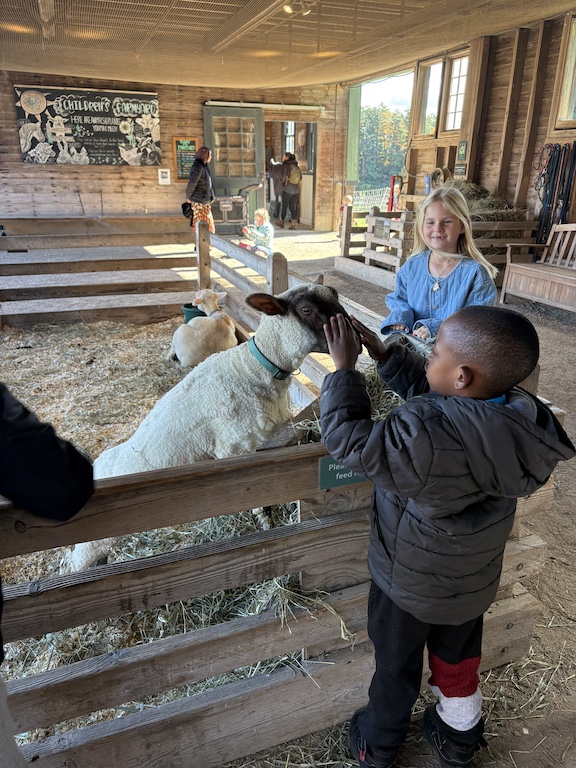
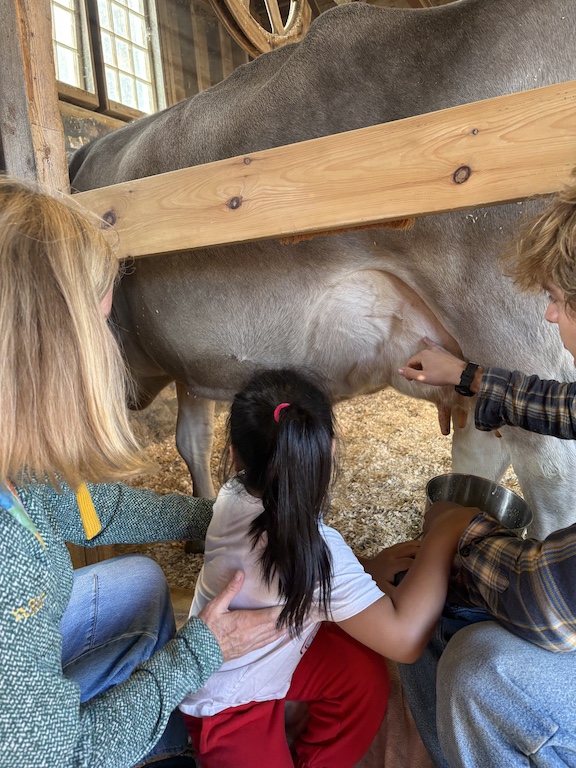
This focus on communication is just one way that SA leans into and supports the many ways our students learn. The Adaptive Specials program is a hallmark of the unique thinking that happens at SA. Once a month, Kerry and Kiersten bring their students to library, PE, Art, Music, and EFS to have small groups and 1-1 practice for students who need support in the general ed specials. This has even included visits to Shelburne Farms. This is a wonderful opportunity for Mr. PK, Ms. Kestrel, Teacher Abbie, Ms. Managan, Mr. B to build relationships with the students and follow the kid lead on their learning journey. This extra time builds familiarity with routines and spaces that has led to greater success during the regular class time.
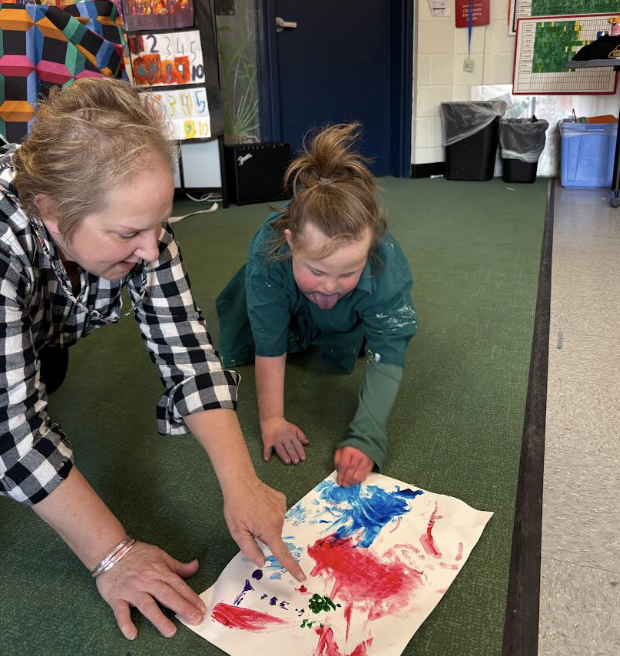
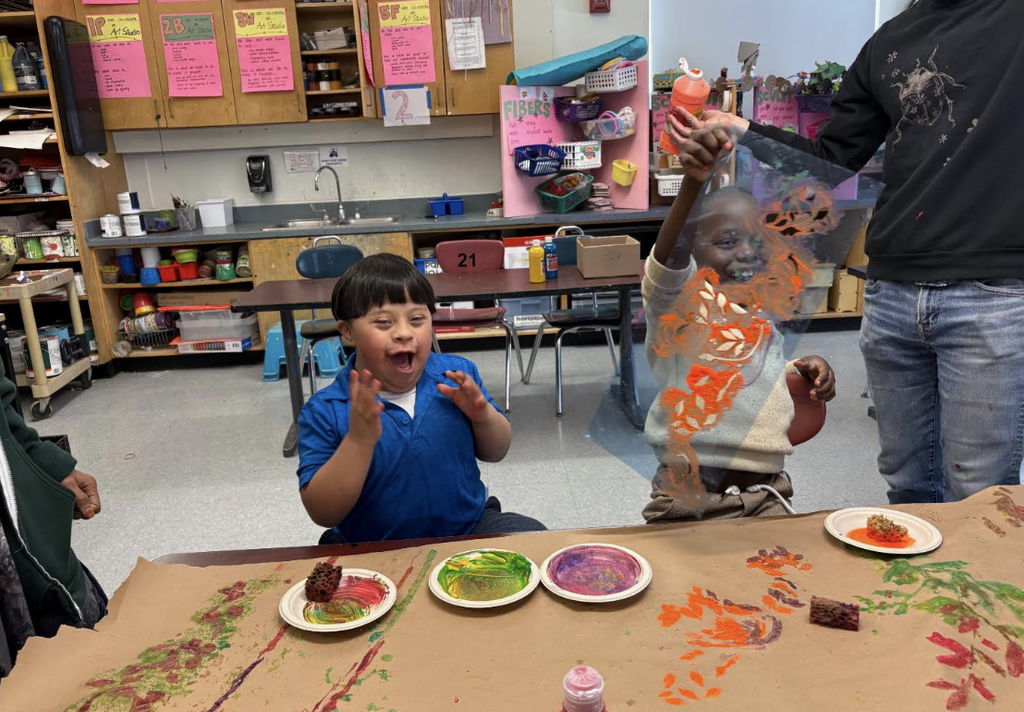
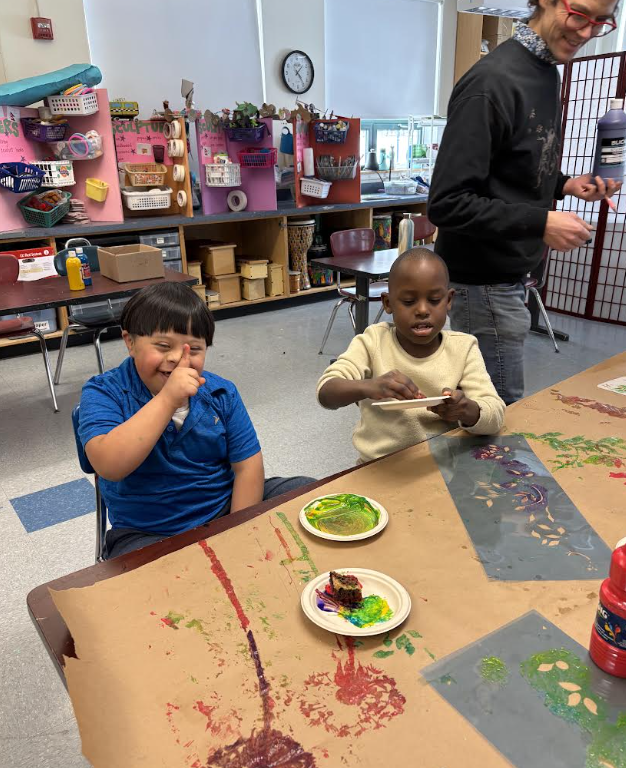
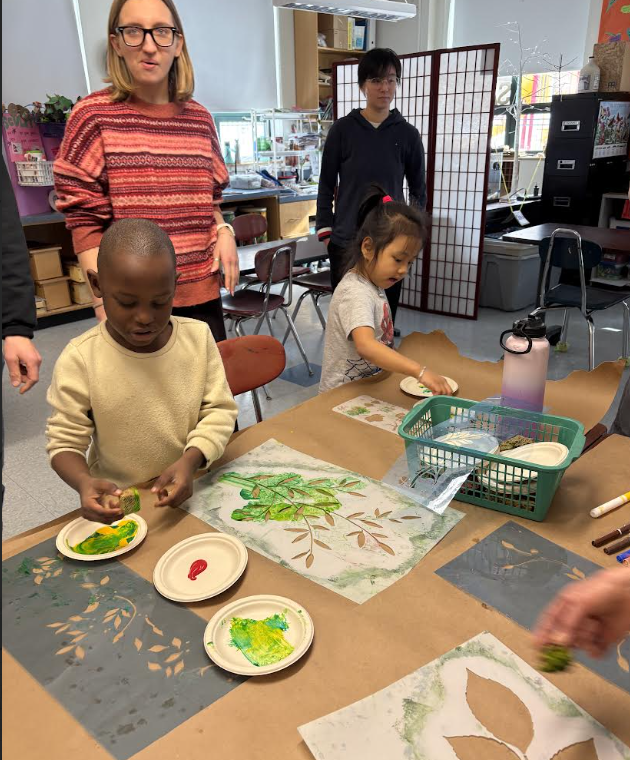
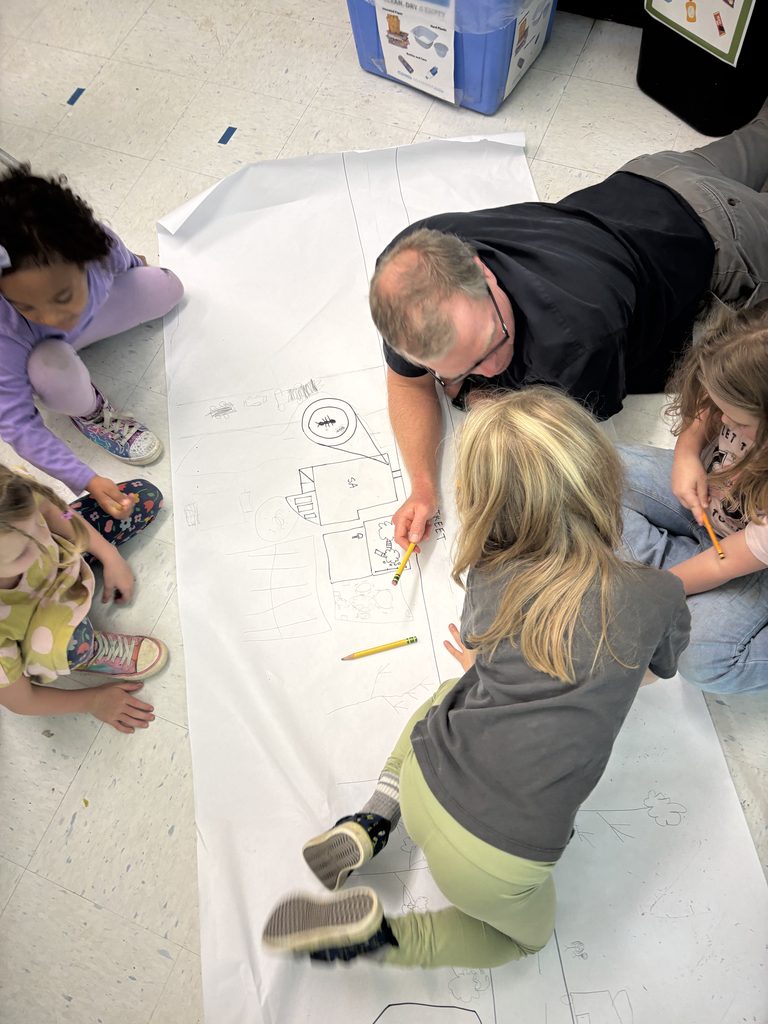
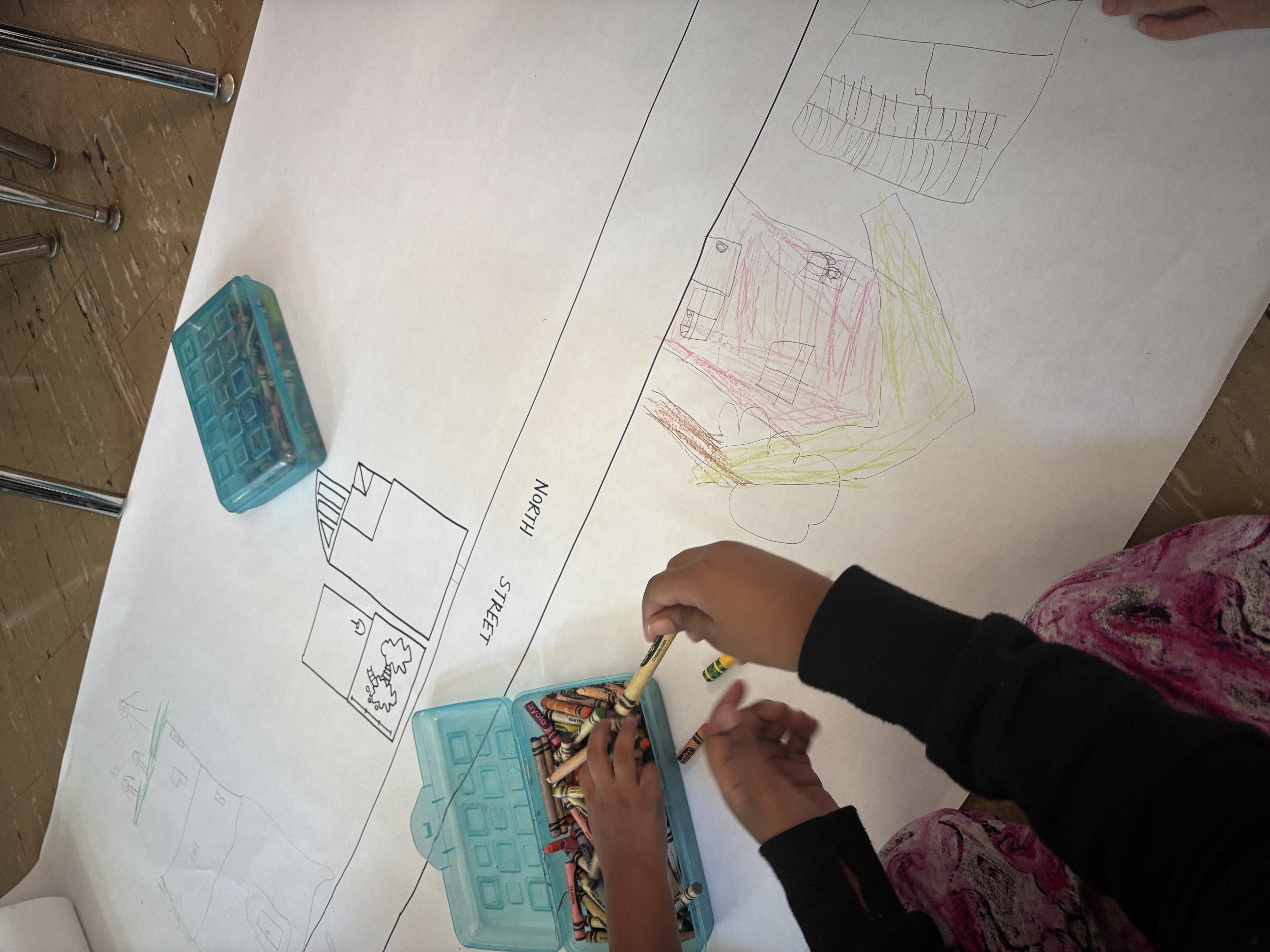
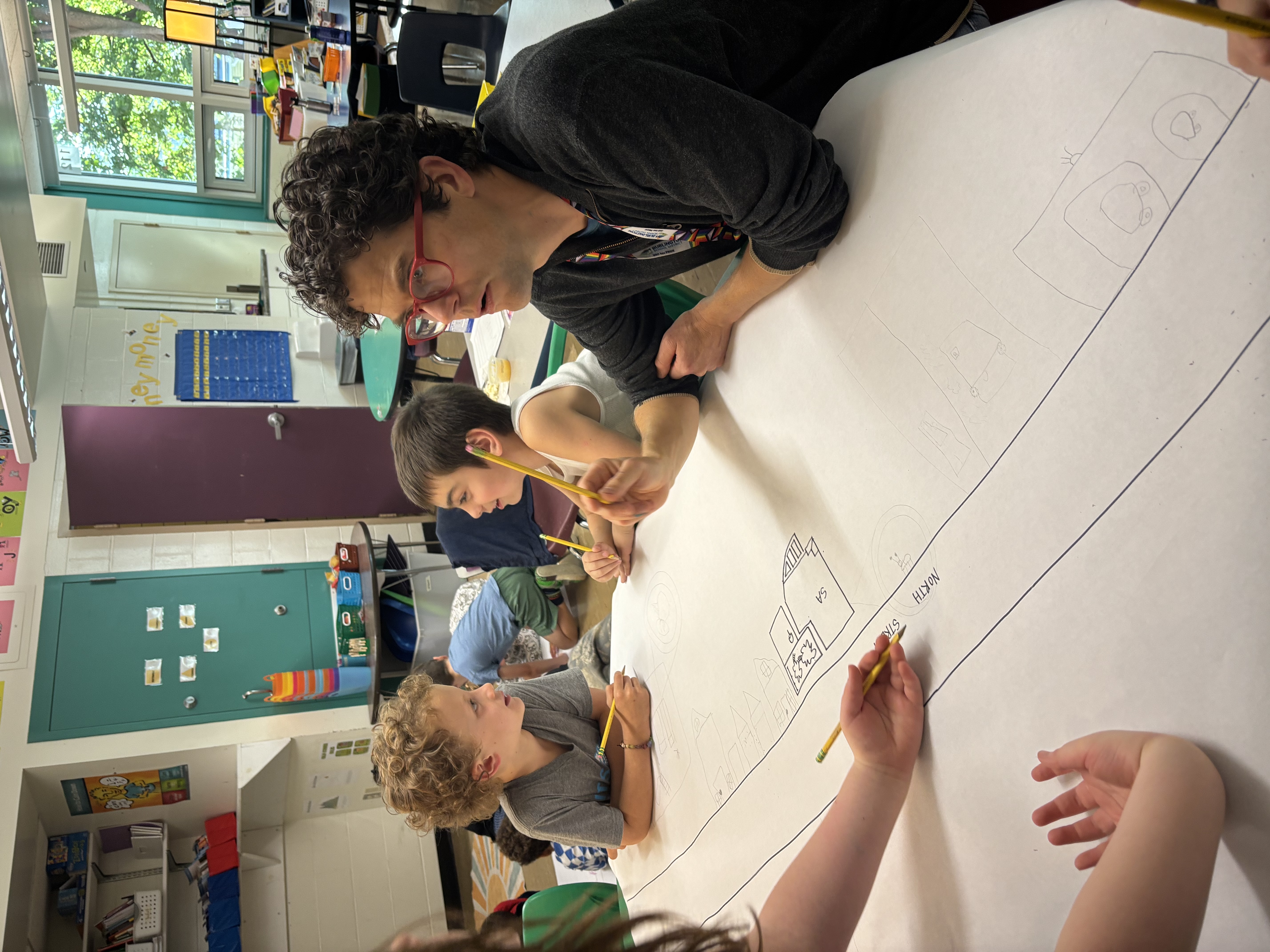
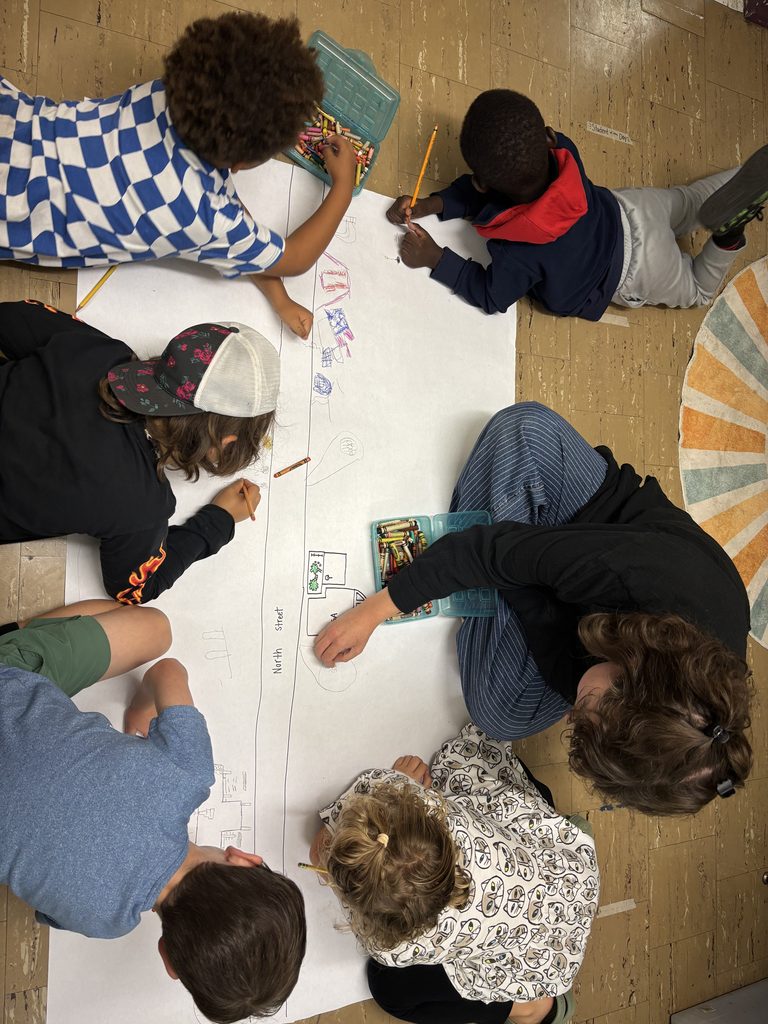
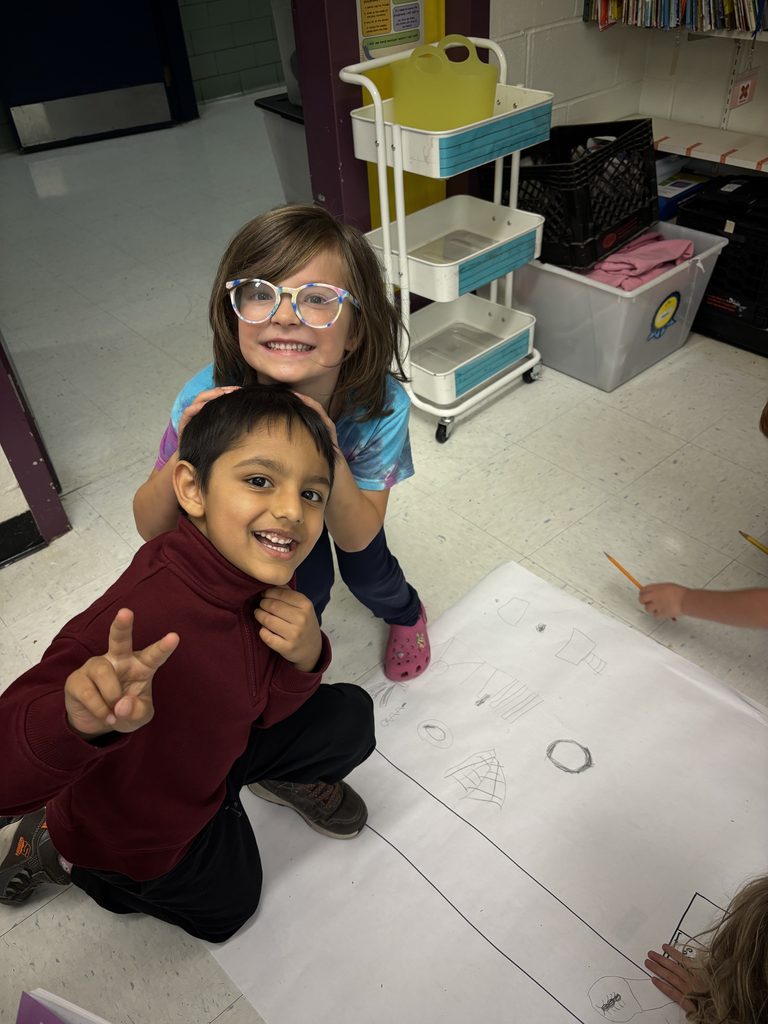
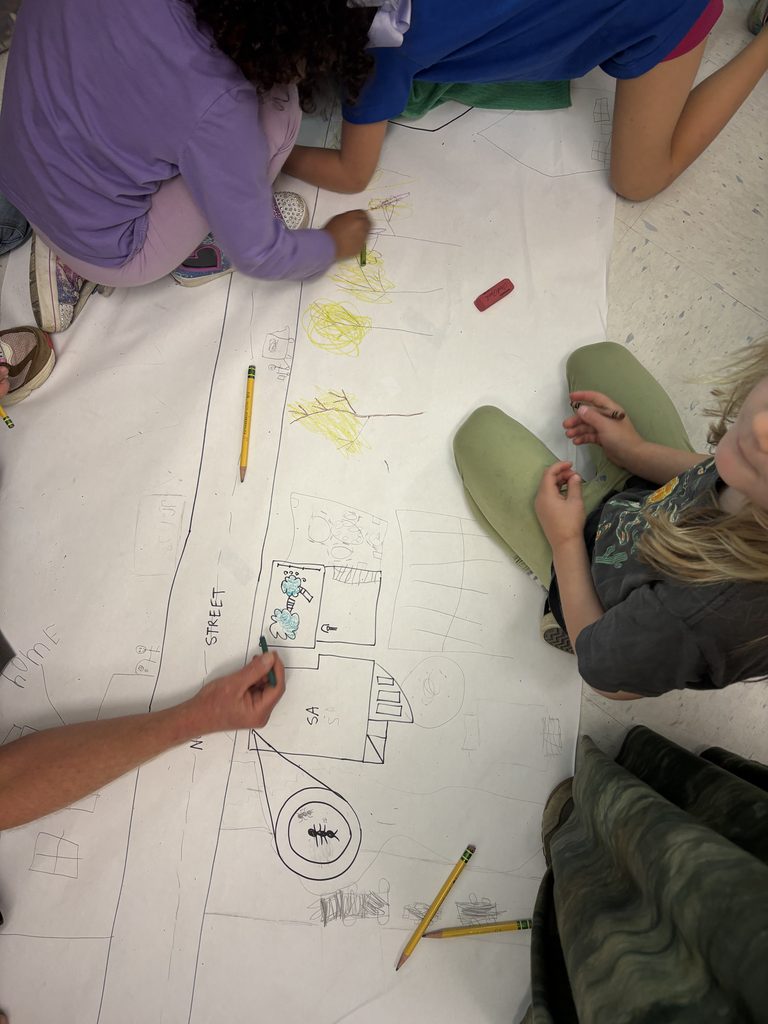
1st grade cartographers!
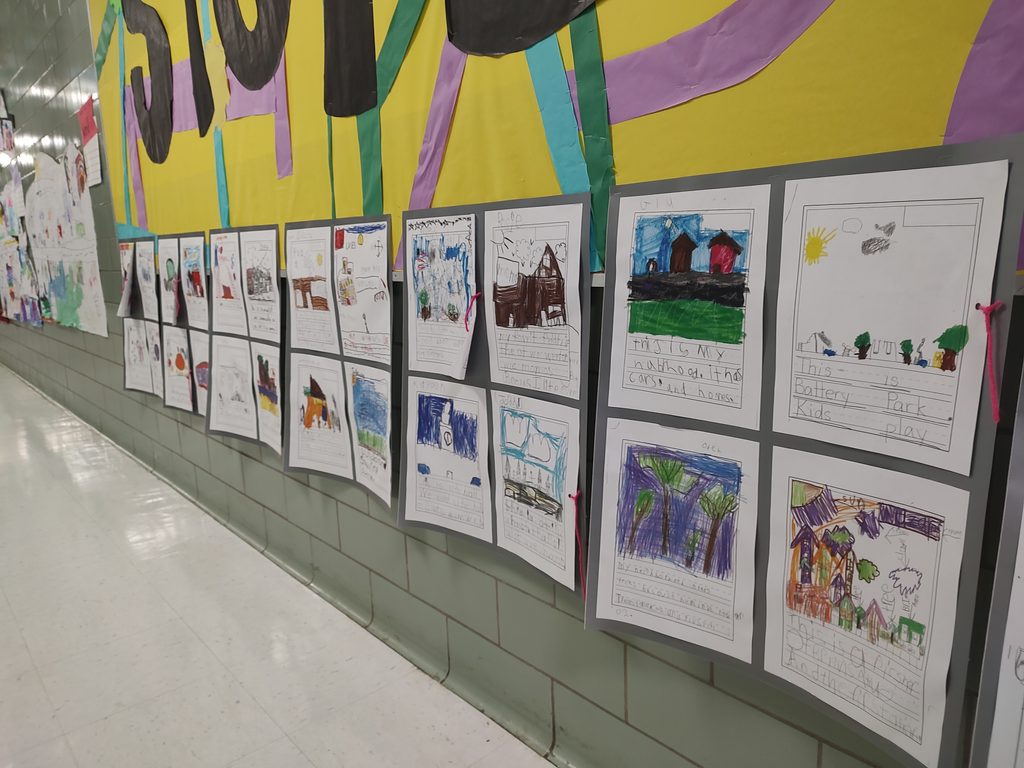
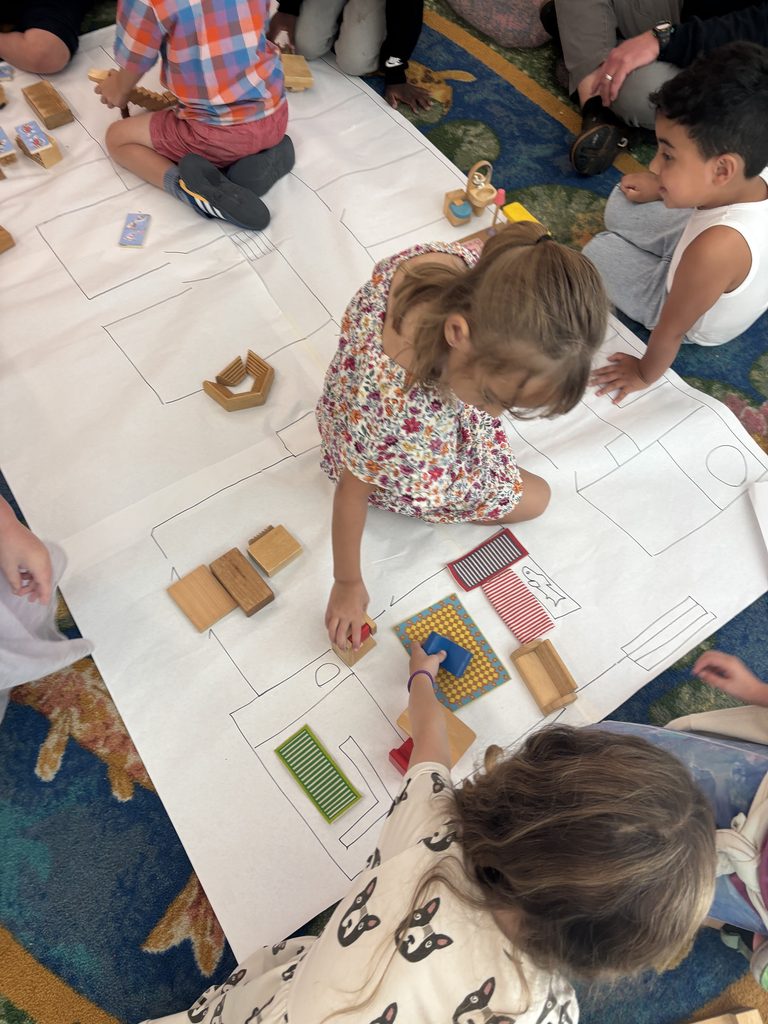
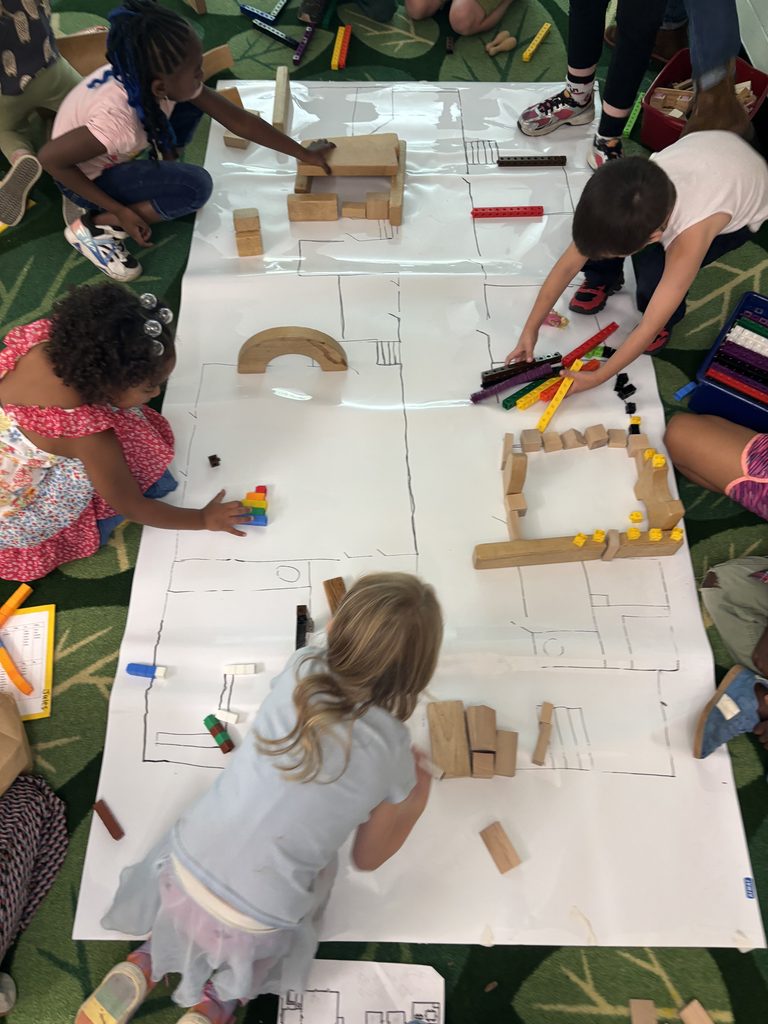
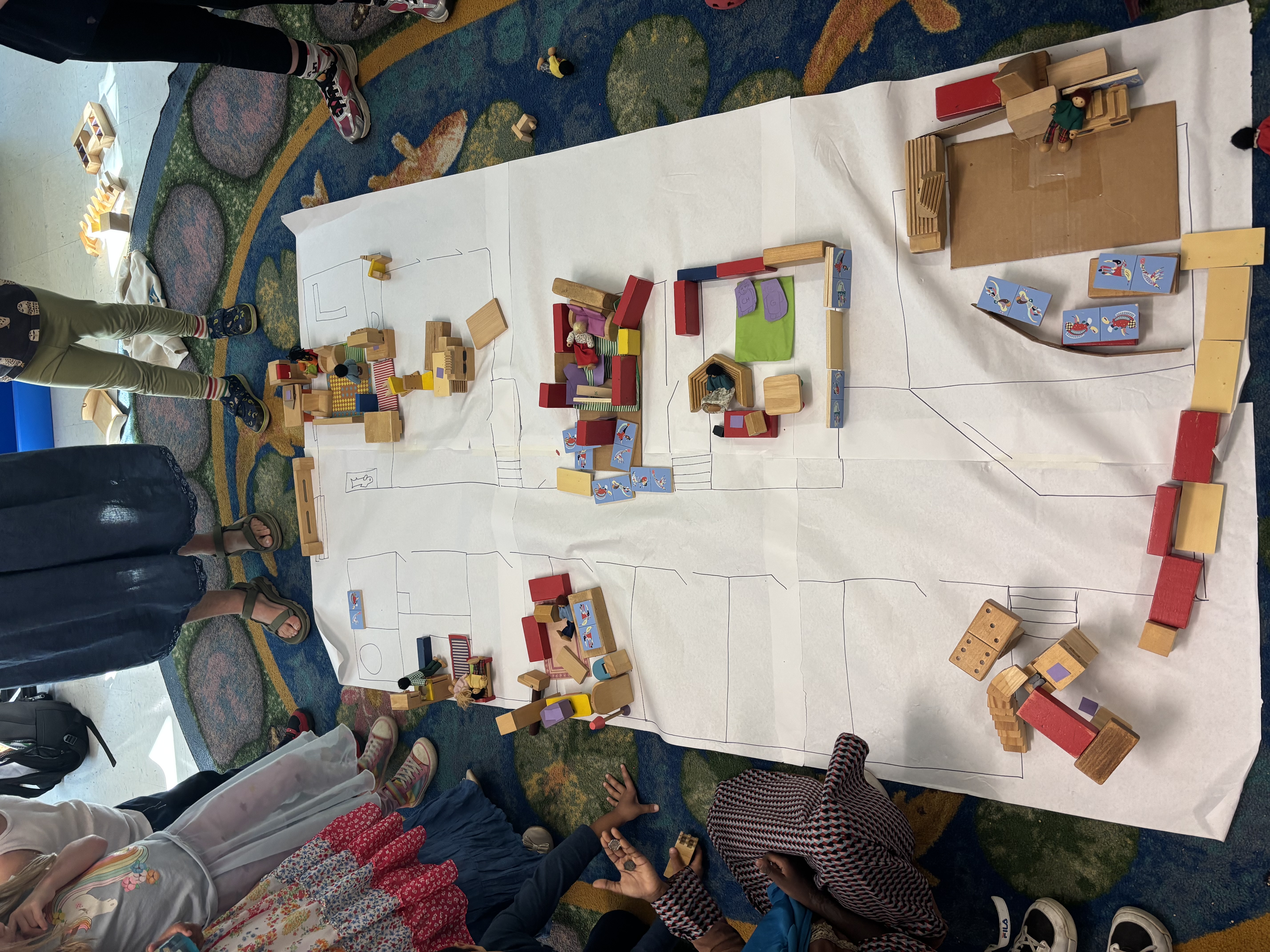
The SA 1st graders kicked off the school year studying mapping and learning about their O.N.E community. As we learned, there is A LOT to decode in maps – from keys, to the compass rose, and scale. Interpreting map symbols and decoding is a great early literacy skill and one they practiced each step of the way.
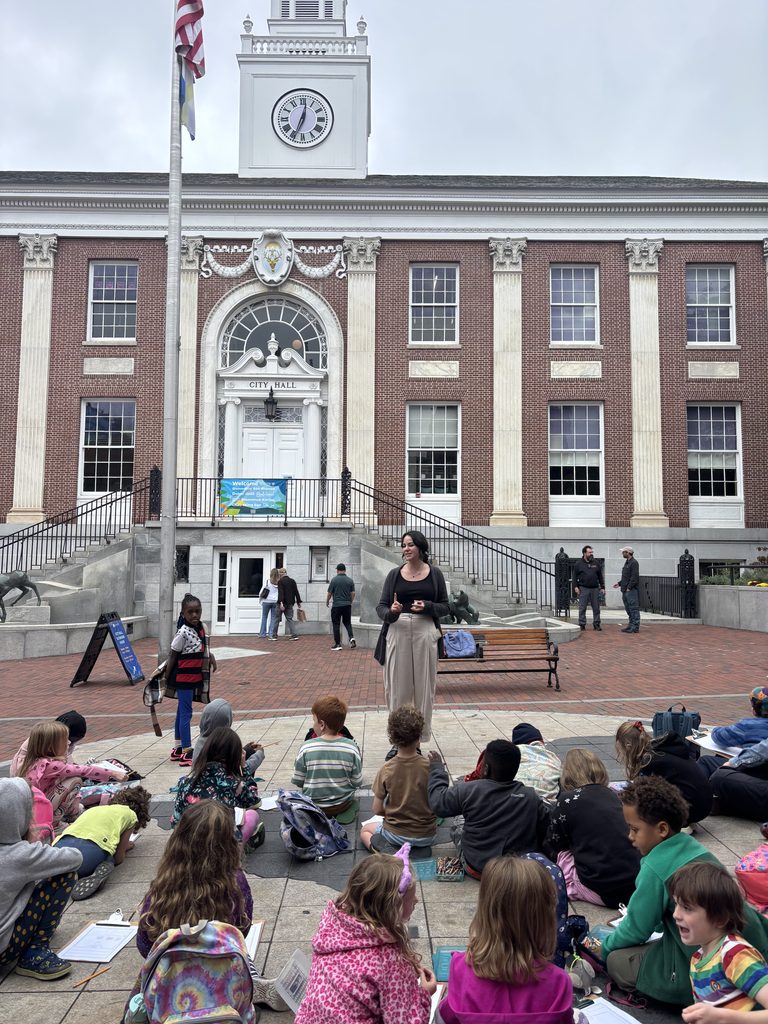
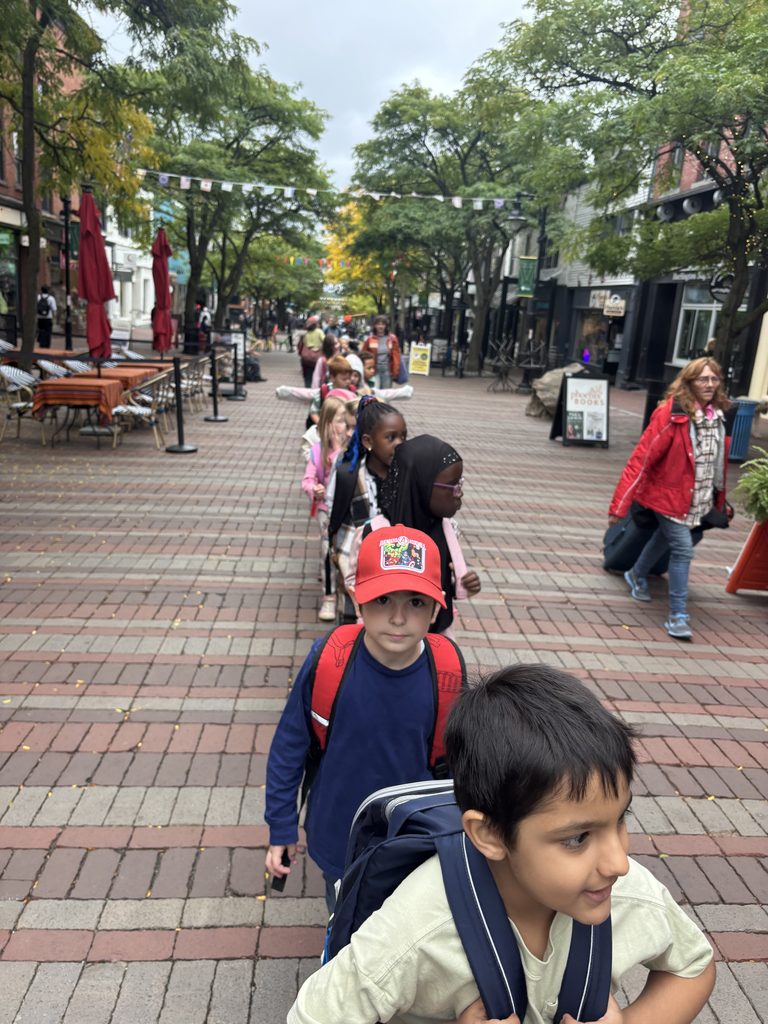
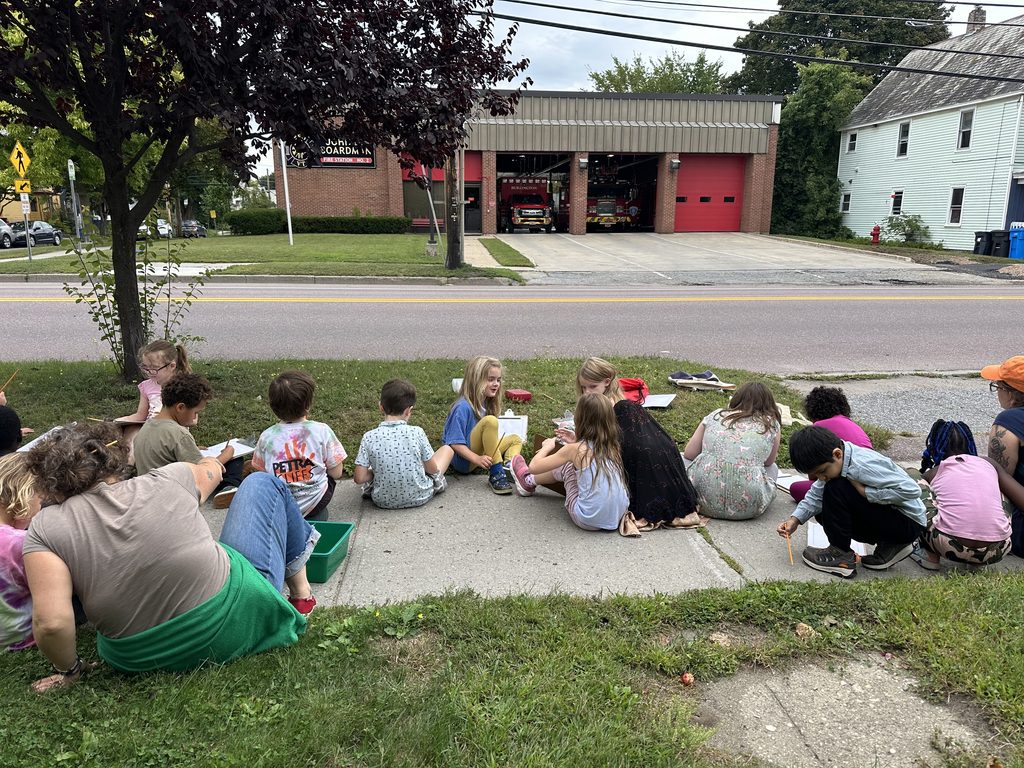
We started out by observing, creating symbols for, and mapping our classroom. Next, first grade took walking trips out in our local community, made sketches, wrote observations, and asked important questions to our community helpers. Learning out in the community as a field researcher is a critical skill that we practice at an early age. For many students, being outside comes with a strong association to recess. That is simply not true at SA. Even at the park, students sat down to focus on observing, drawing, recording and identifying key features before experiencing and playing at Pomeroy.
Back at school, Ms. Perez, Mr. Limtiaco and Ms. Sara tailored the strong foundation set out in the ARC curriculum to showcase this hyper-local focus. With the support of the Project Based Learning coordinator and EFS (Education for Sustainability) Coach, students developed a deeper understanding of their community and made connections to the EFS mission at SA.
At nearby locations – the fire station, Brian’s Auto, Momo’s food market, and Burlington City Hall – students interviewed key helpers about the important work that happens in our city and how all these systems are connected. Maps became more than a record of places, they became a living web of important connections and supports that help our city thrive.
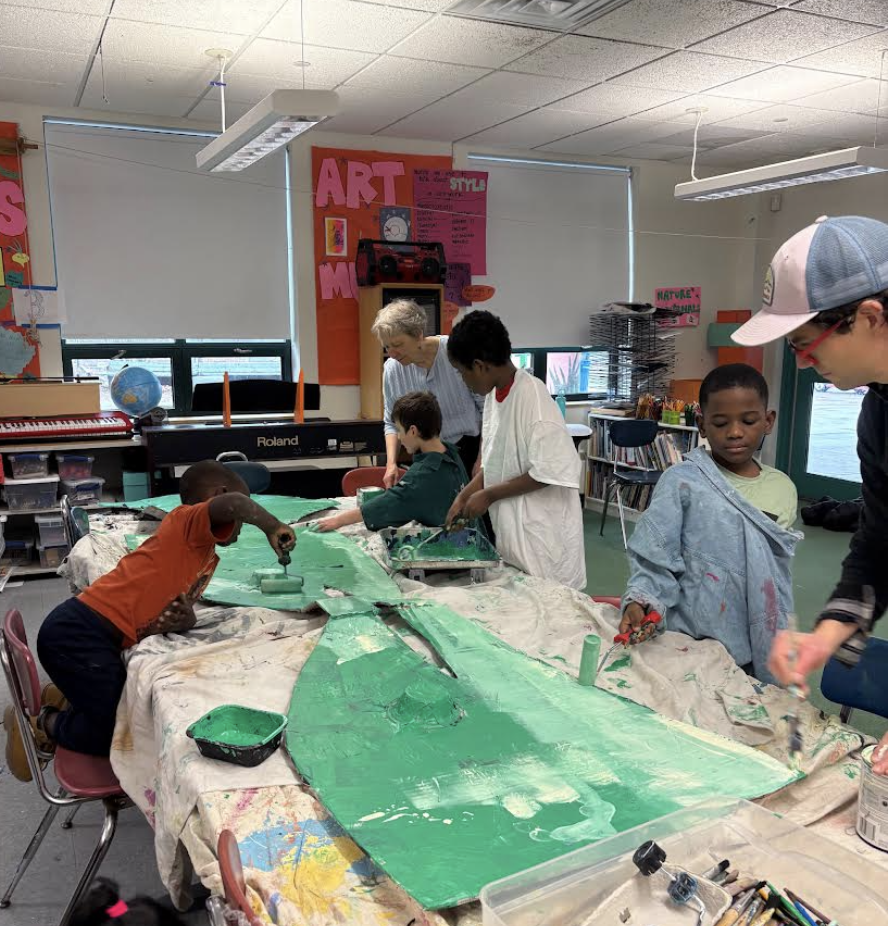
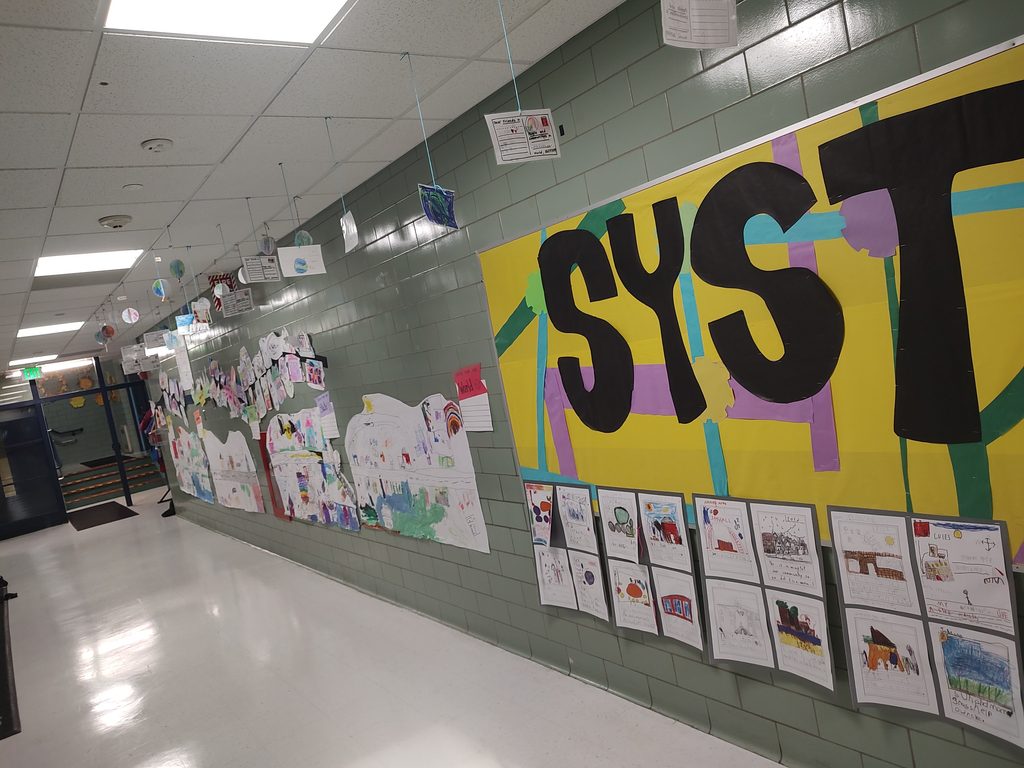
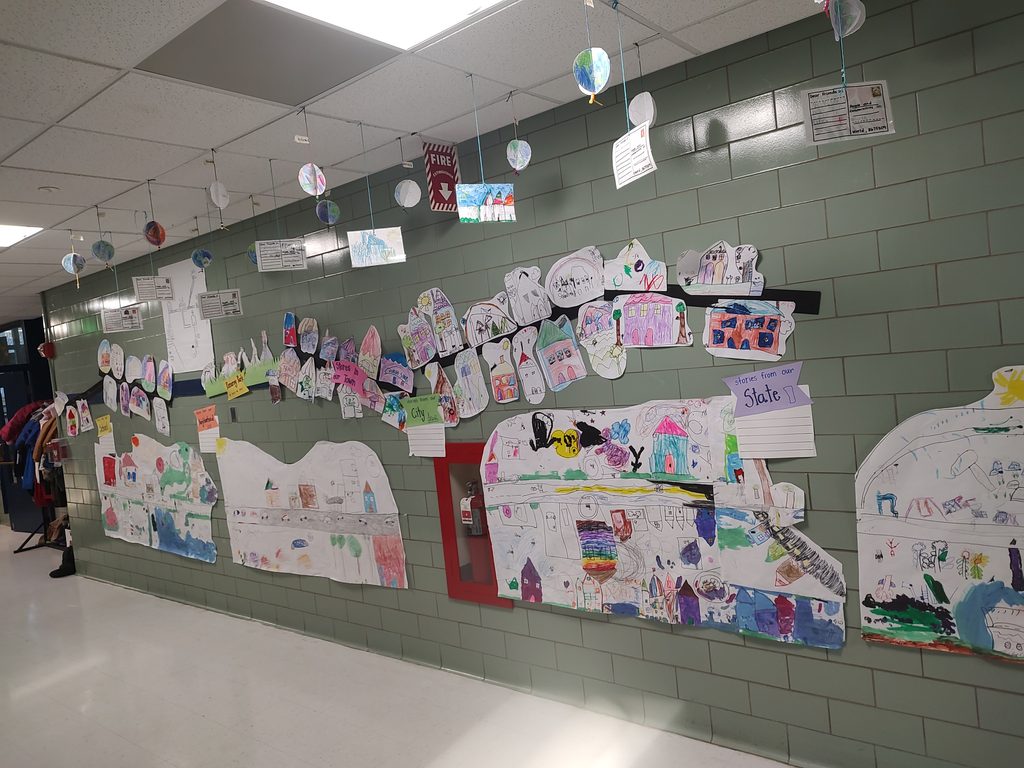
During their afternoon residency block, students worked with Mr. PK to compile their research into collaborative maps; build 3D models of community systems; and write stories about the classroom, school, city, state, and world. We capped off our inquiry by writing postcards to countries around the world asking questions derived from our growing curiosity of places and communities.
coauthored by Kestrel Plump and David Paarlberg-Kvam
Phoenix Books and SA Book Fair
Make plans to visit Phoenix Bookstore at 89 Church Street from November 9 – 15th. If you show the SA purchase code, 20% of the sale will be donated to the SA Library to expand our school collection. This is a great way to support a great local business and help the school at the same time. Email Ms. Managan at emanagan@bsdvt.org with questions.
“Thank you” song – the remix
This year, students at Sustainability Academy have been exploring systems- smaller parts that come together to make a whole. In music class we have been discussing how people in society collaborate to make our community run, and we decided to highlight some very important workers with a remix of our original Thank You Song. In honor of custodian appreciation day, we wrote, produced, and performed a song of gratitude to SA’s beloved Mr. Sonam and Mr. Jim.
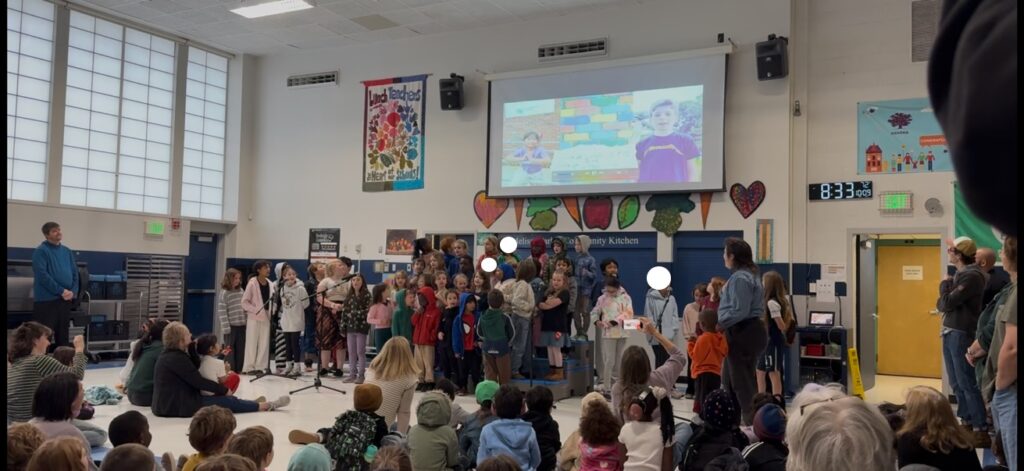
4th grader Mira said, “It felt special to share the song with the custodians because they do so much for us, and sometimes people forget to say thank you.” Students across grade levels have been working to understand how people across the world have sent messages with music for thousands of years.
5th graders started by listing out the things they see custodians do, and then we worked to form the list into rhyming lyrics which were then taught to the entire school. We then recorded the song in our classroom studio, and filmed a video to enhance the message. 5th grader James noted, “musical artists use pictures a lot to help say what they want to say. It gets people’s attention more to have a video because you can see the emotion.”
We hope that all custodians out there feel appreciated for their hard work, this video is for you!
Save the Date! Off-site book fair

SA Families are invited to visit Phoenix Bookstore on Church Street in Burlington on November 9th through 15th. With the bookfair purchase code, 20% of the sale will be donated to the SA Library. This is a great opportunity to stock up on winter reading or a gift of a great book. This event supports our local bookstore and builds the SA library at the same time! Set a reminder and we will see you on Church St! The SA purchase code will be shared as the event gets close. Stay tuned!
Upcoming Community Meeting!
SA Families and Caregivers! Please remember to join us for our upcoming community meeting on Friday, October 9th! Join us in the cafeteria at morning dropoff and hear amazing music performances, see updates from our last month of work, and connect with your neighbors and SA community.
This month we will be highlighting 5th grade and 1st grade musicians as they share the first song of the 2026-27 whole school album and share a surprise song for some special folks in our community. Hope to see you there!
